Dark Nato Wood — The Iron Tree
Dense as the forest it came from. Shaped by hand. Built to last.
Deep in the forests of Madagascar grows a tree so hard the ancient Greeks would have named it after iron — and eventually, they did. Sideroxylon, the genus from which Nato wood comes, takes its name from the Greek sideros (iron) and xulon (wood). It is not a poetic exaggeration. It is a description.
This is wood that luthiers trust. Wood that guitar makers reach for when they need something that performs like mahogany but answers to no one. Wood that has been worked by craftspeople for centuries precisely because it does not give easily — and that resistance, that density, is exactly what you want between your fingers and your strings.
What You Hold
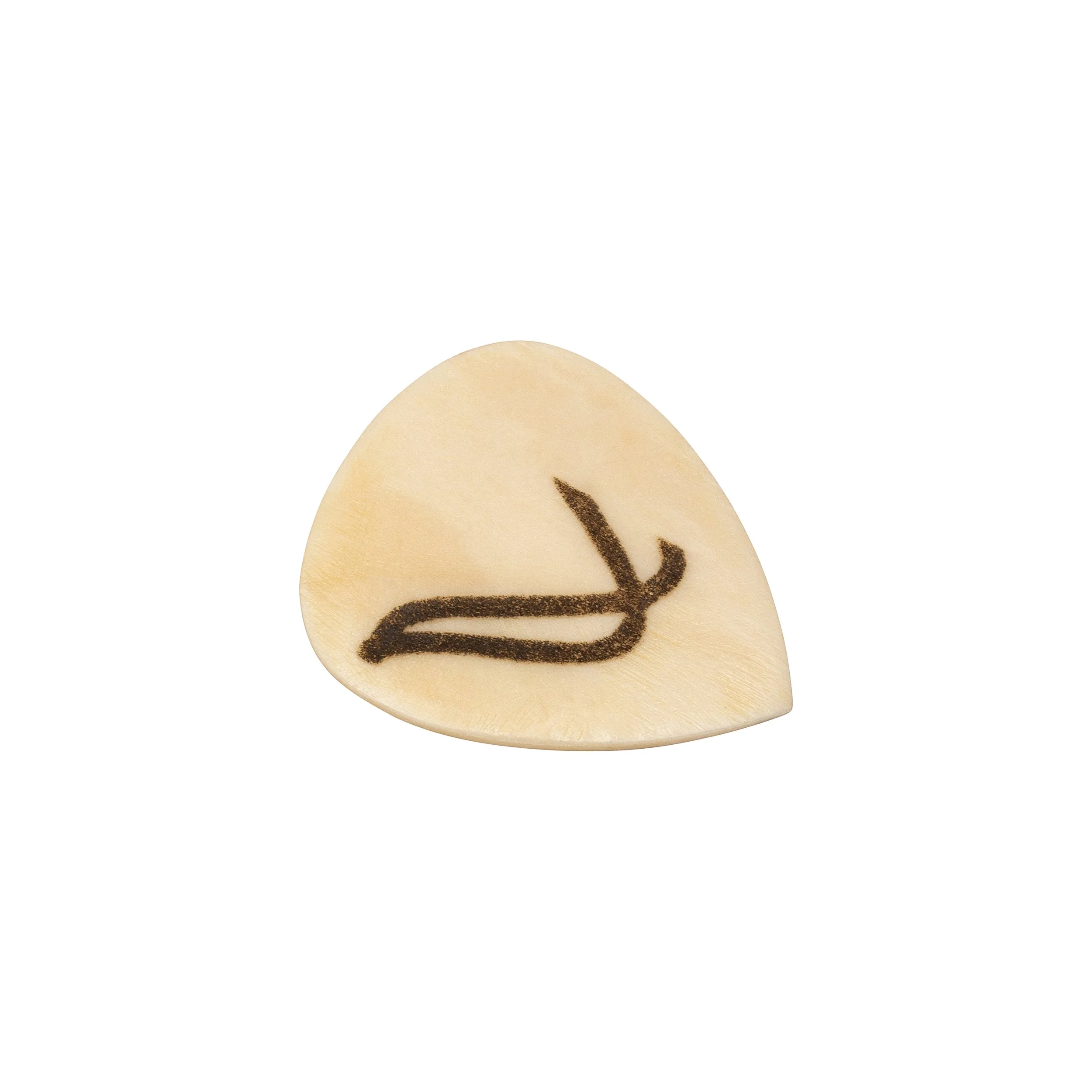
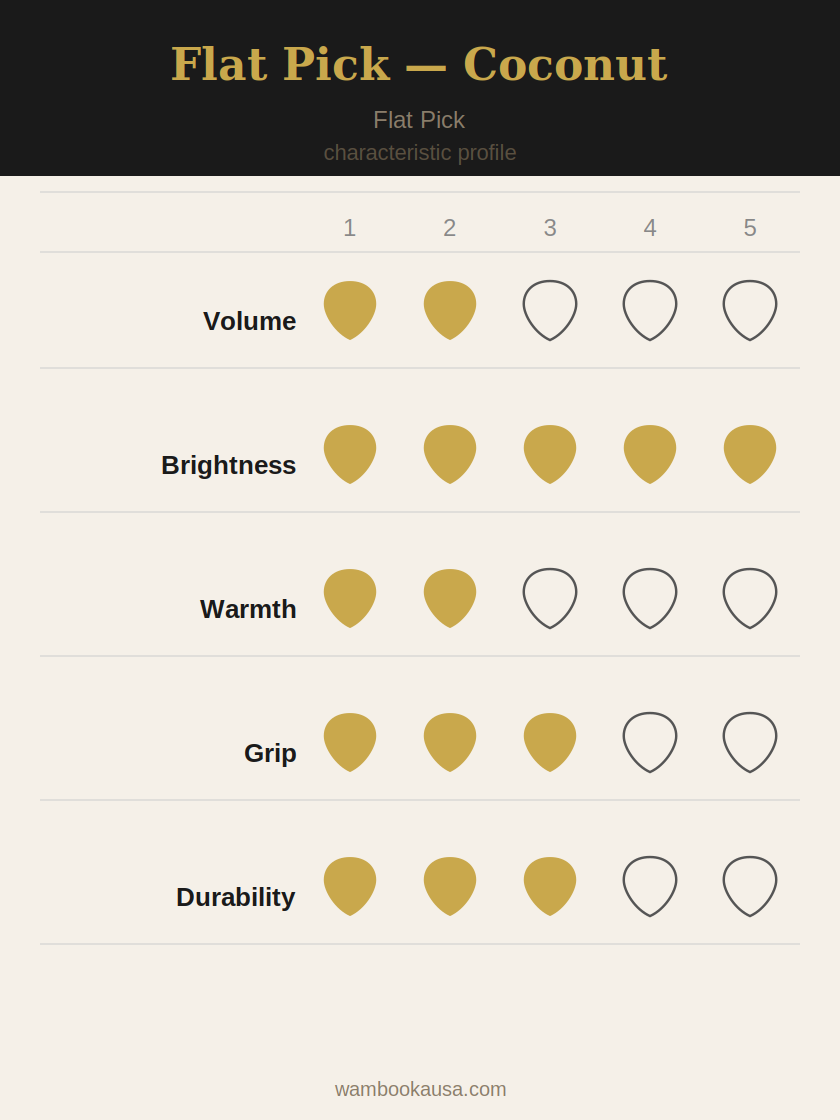
Nato wood sits at the upper end of hardwood density — close-grained, smooth, and remarkably stable under the demands of regular play. Against strings it delivers a warm, full attack with the kind of organic resonance that only real wood produces. It is firm without being harsh, present without being aggressive. Players who have spent years with plastic picks describe the switch to wood as the difference between hearing their instrument and feeling it.
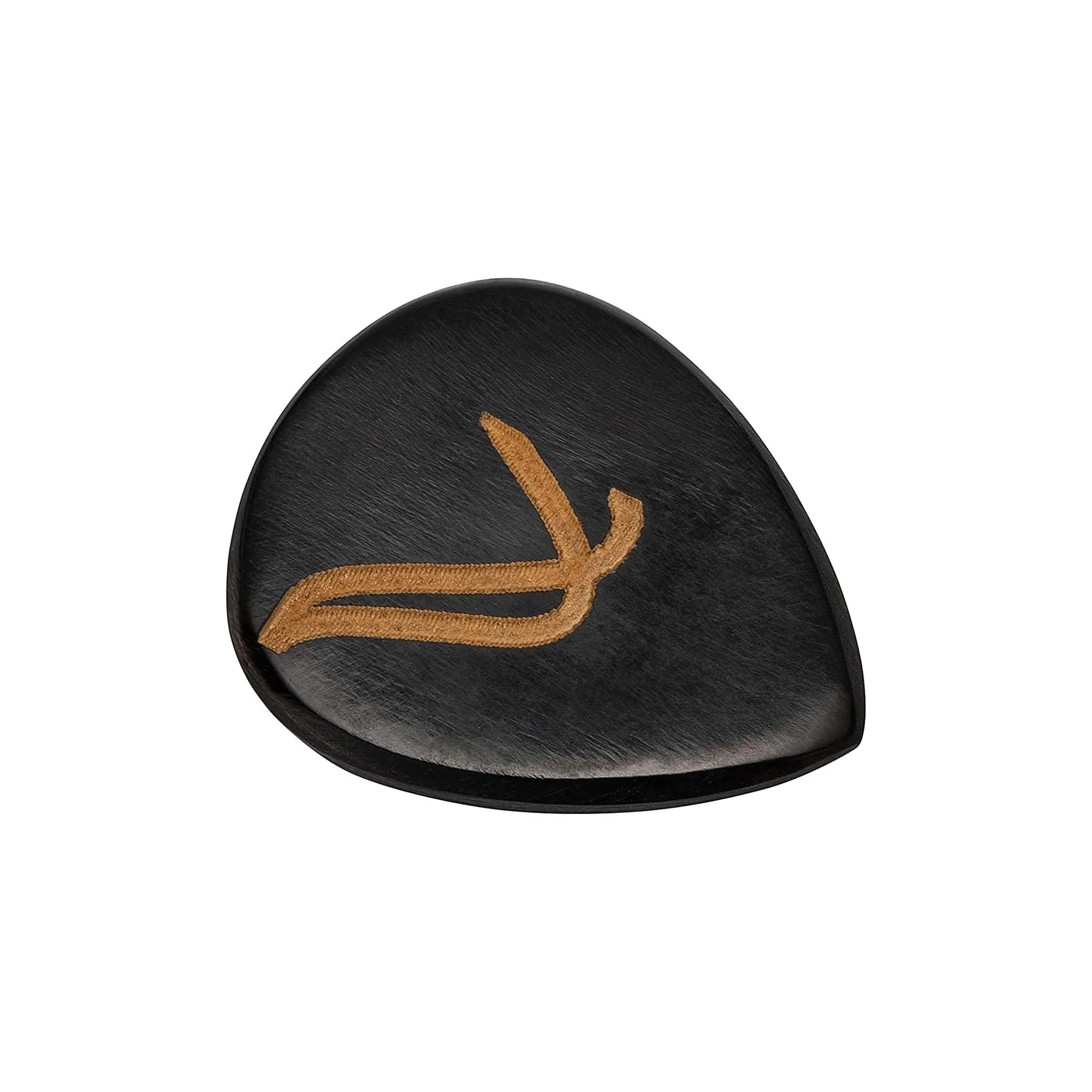
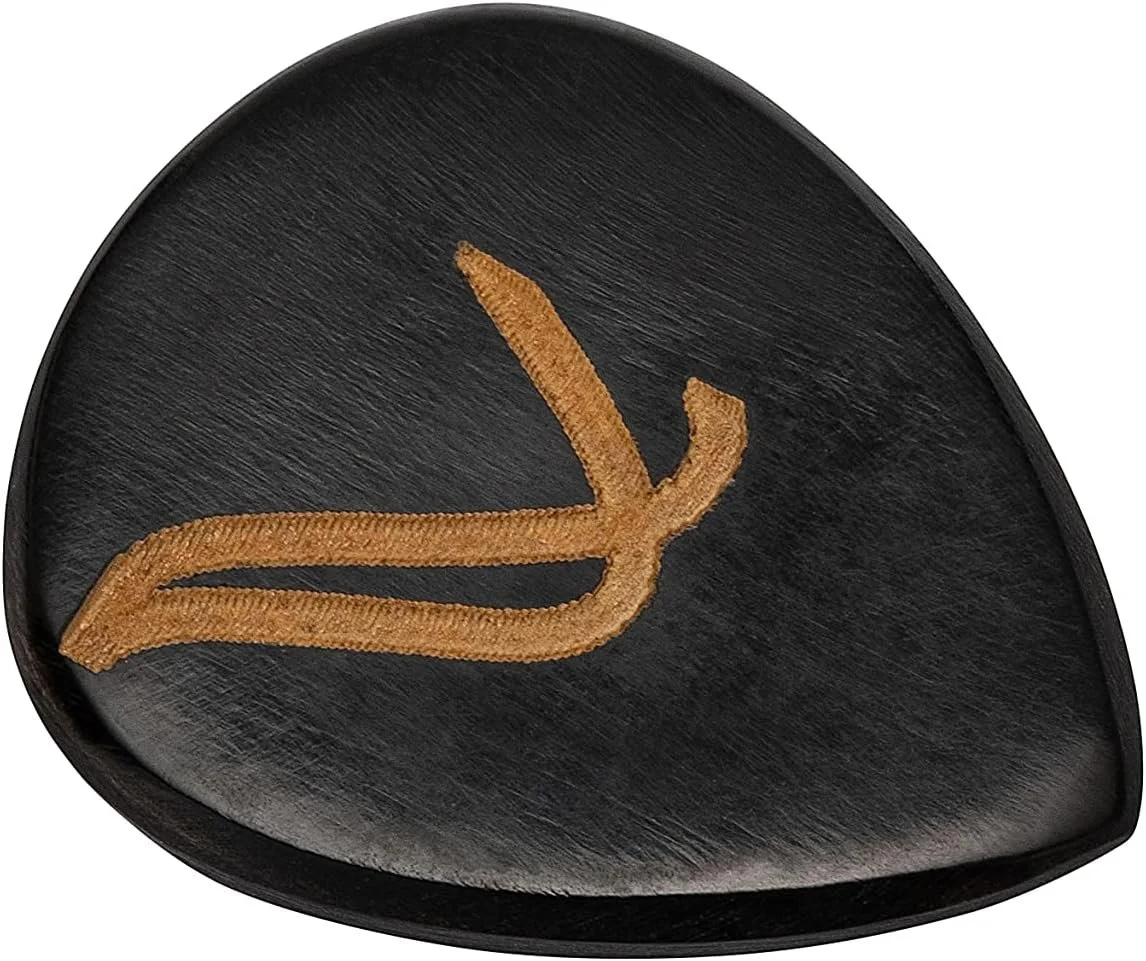
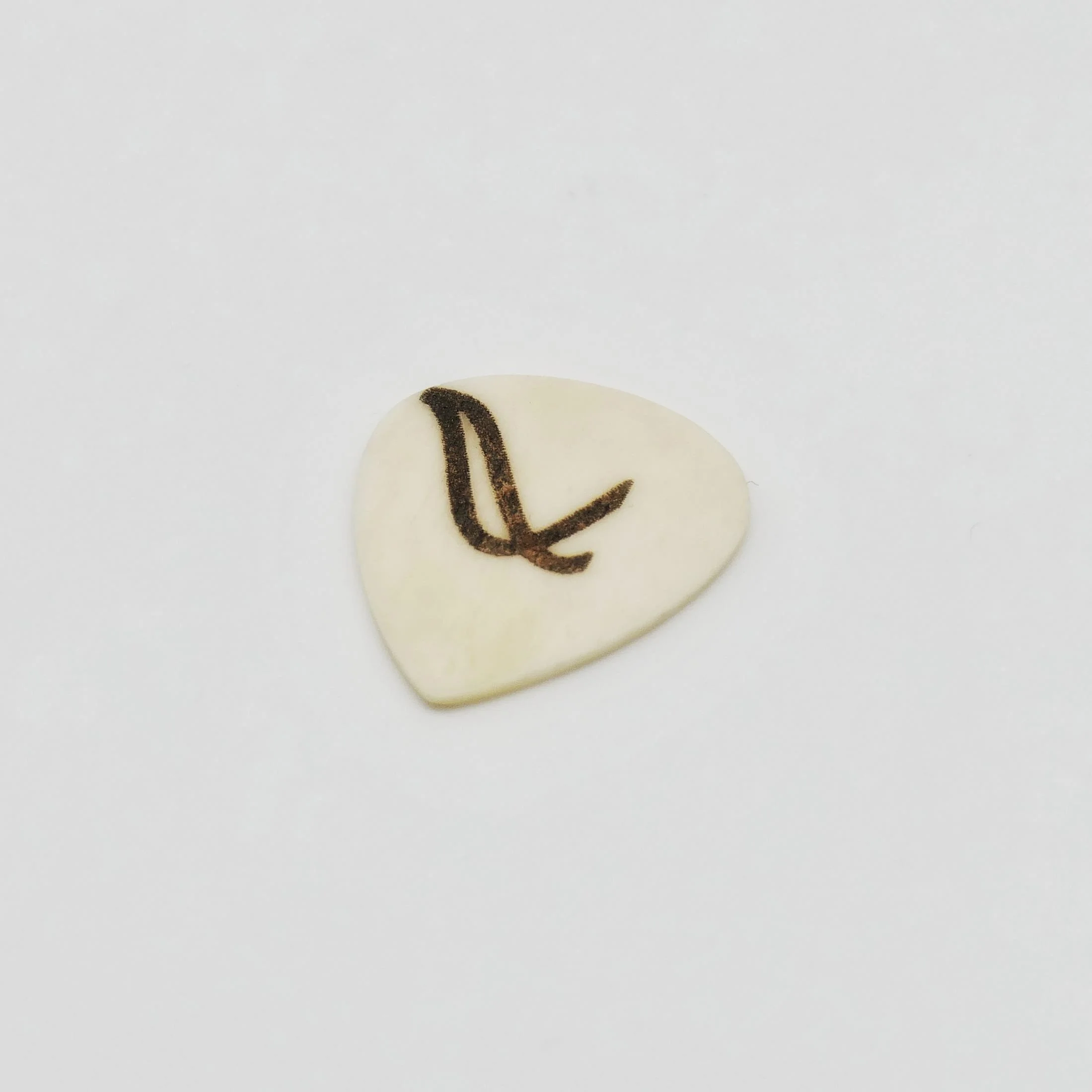
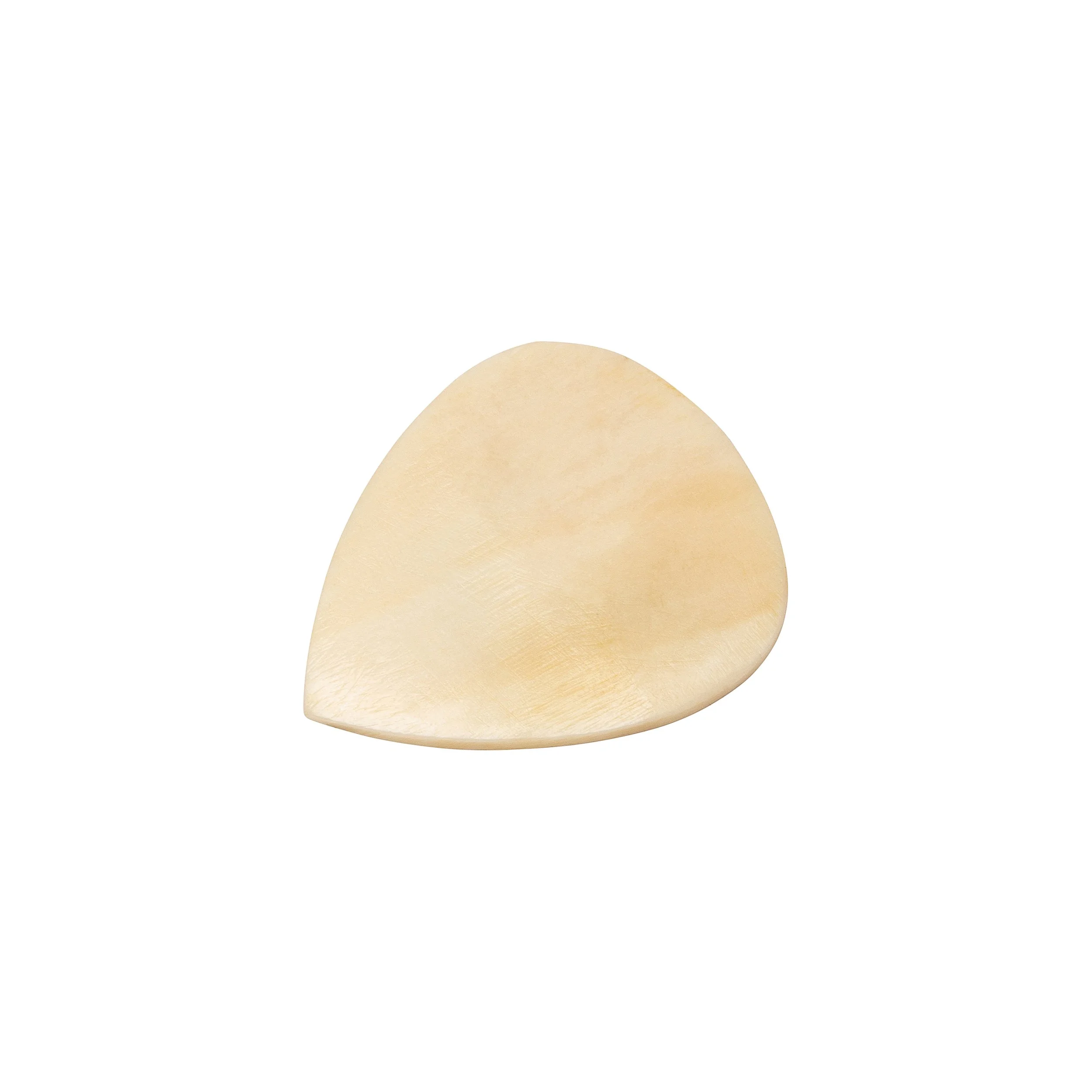
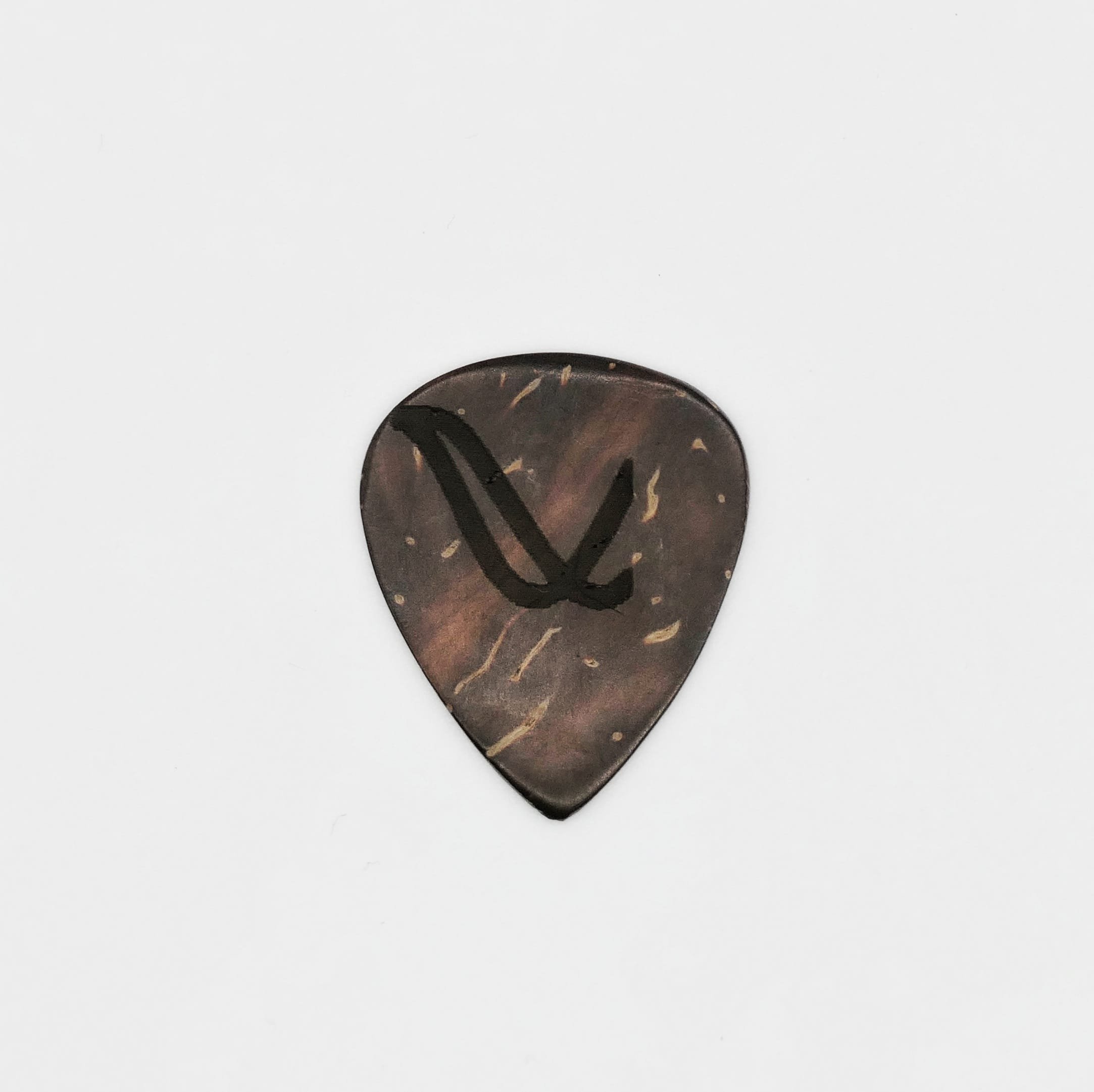
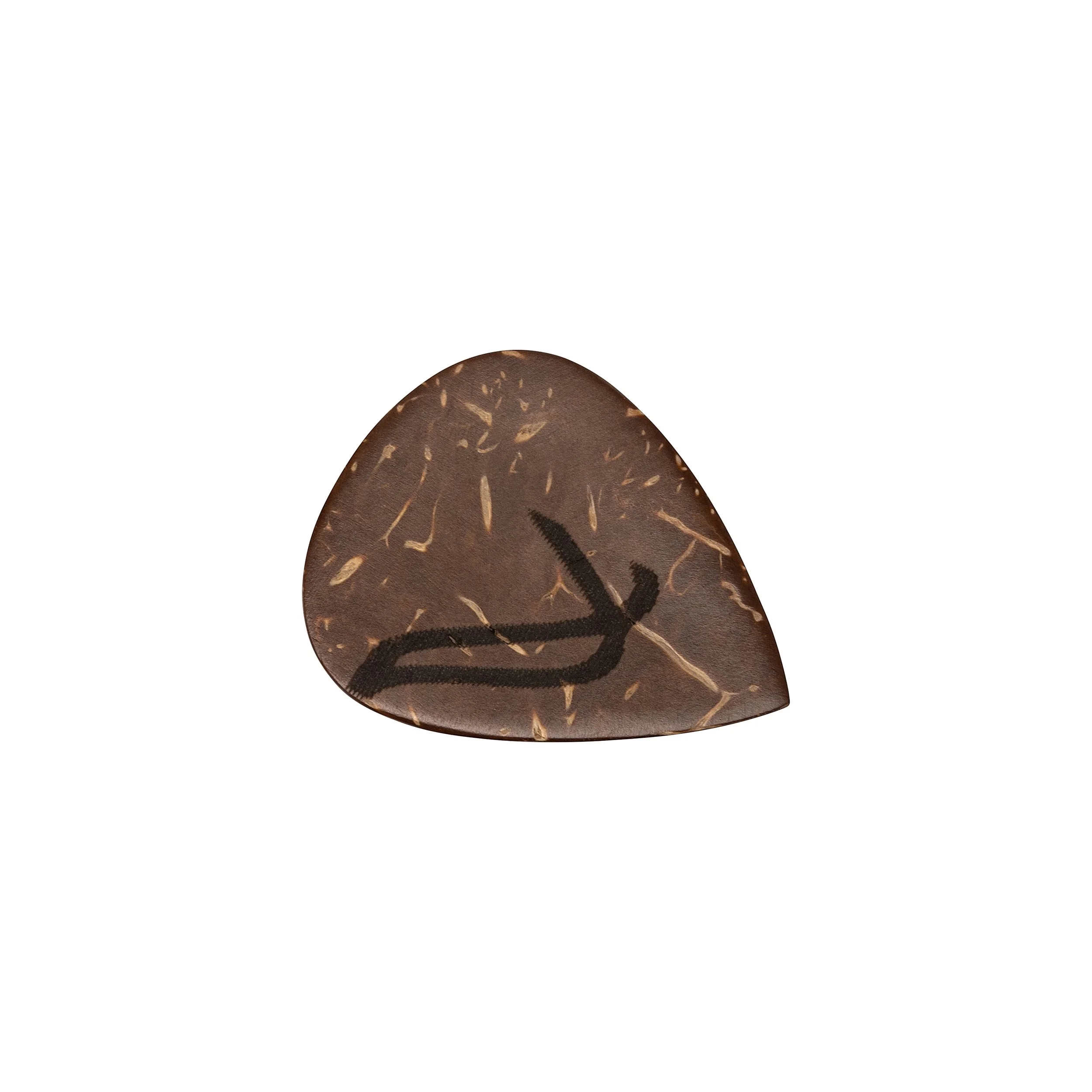
The grain is tight and fine, finishing to a surface that is smooth under the fingertip and warm in the palm. Reddish-brown in tone, with subtle variation from piece to piece — no two picks carry exactly the same pattern of grain.
What Makes It
Sideroxylon is a genus found across Madagascar, Africa, and the Caribbean, always in the company of other dense, prized tropical hardwoods. The Malagasy species grow slowly in island forests, building the tight grain structure that gives the wood its density and its tonal character. It belongs to the same family as sapodilla — the Sapotaceae — a lineage of tropical trees known across cultures for producing exceptionally hard, workable timber.
In the guitar world, Nato has long been the choice of builders who want the warmth and resonance of mahogany from a source that is more sustainable and more accessible. It is not an imitation. It is a different wood with its own voice — one that happens to share mahogany's best qualities while standing entirely on its own terms.
What It Means
There is a reason the finest guitar necks, the most responsive nuts and saddles, the most enduring instrument components are made from dense tropical hardwoods. Wood transmits vibration the way no synthetic material can — not just at the surface, but through its entire structure. Every cell in the grain is part of the instrument.
A Nativo Nato Wood pick puts that principle in your hand. Not a simulation of wood. Not a wood-pattern finish on plastic. A piece of Malagasy iron wood, shaped to a precise edge, polished smooth, and ready to do what it has always done — transfer energy from your hand to your strings with nothing lost in between.
Warm. Dense. Honest. From one of the oldest forests on Earth.
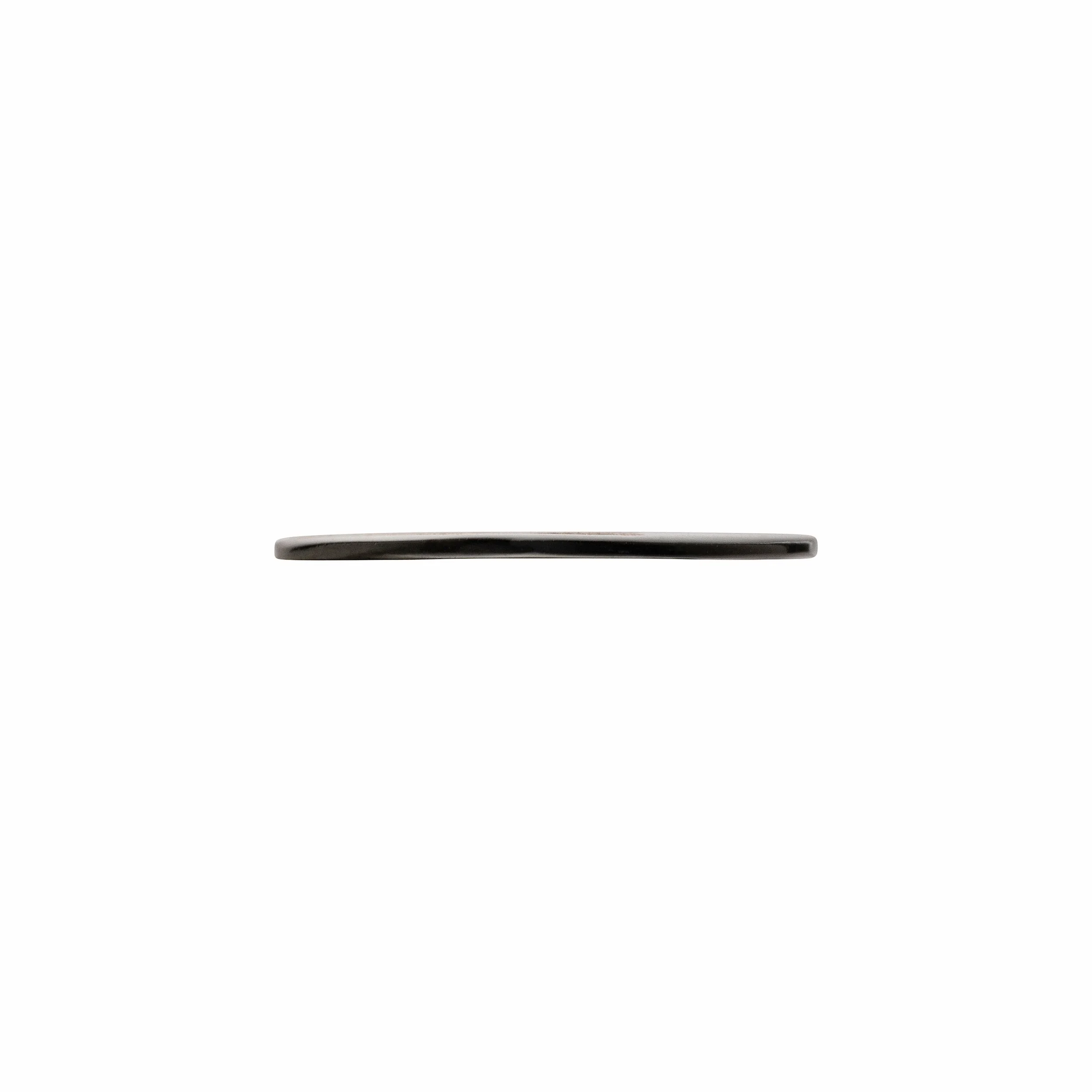
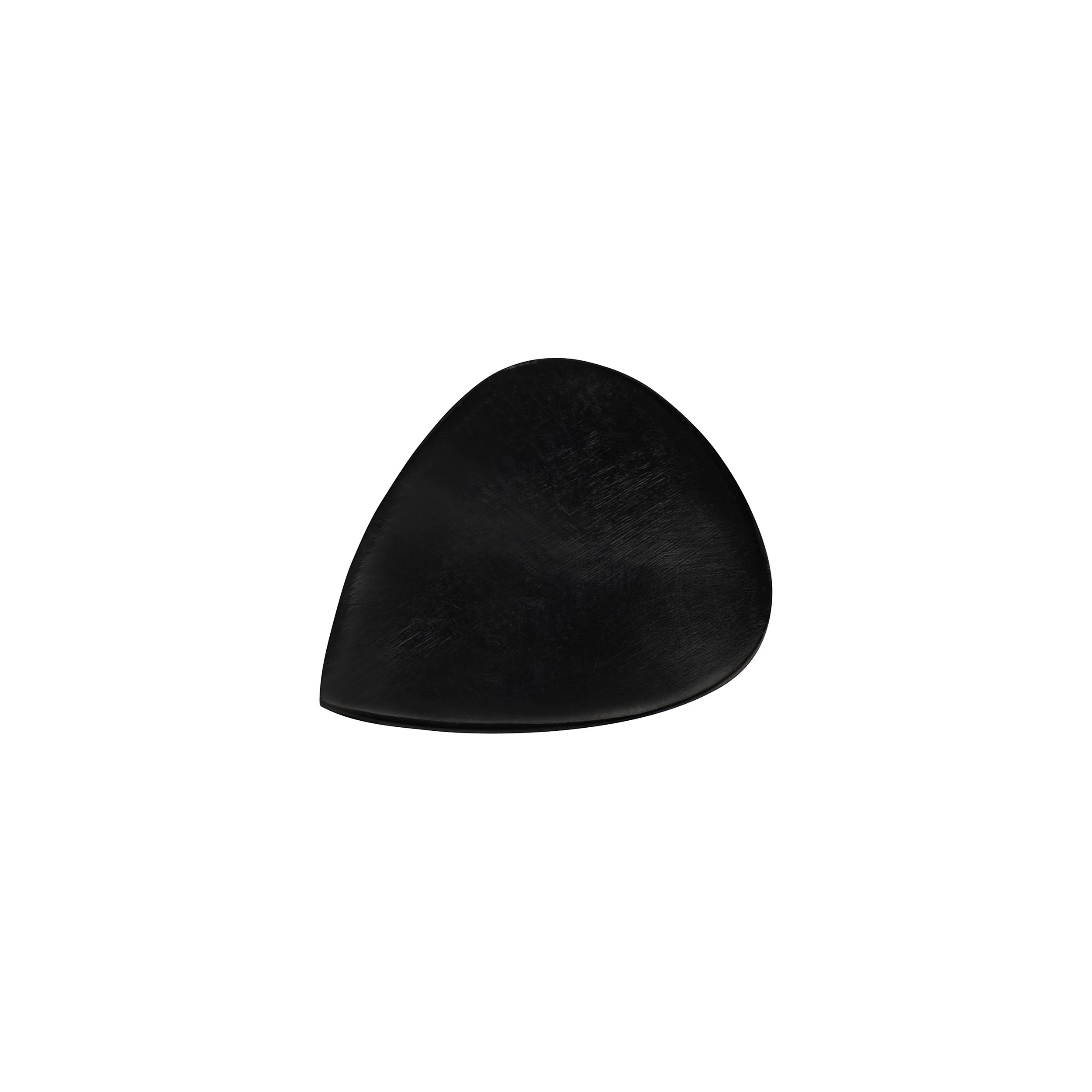
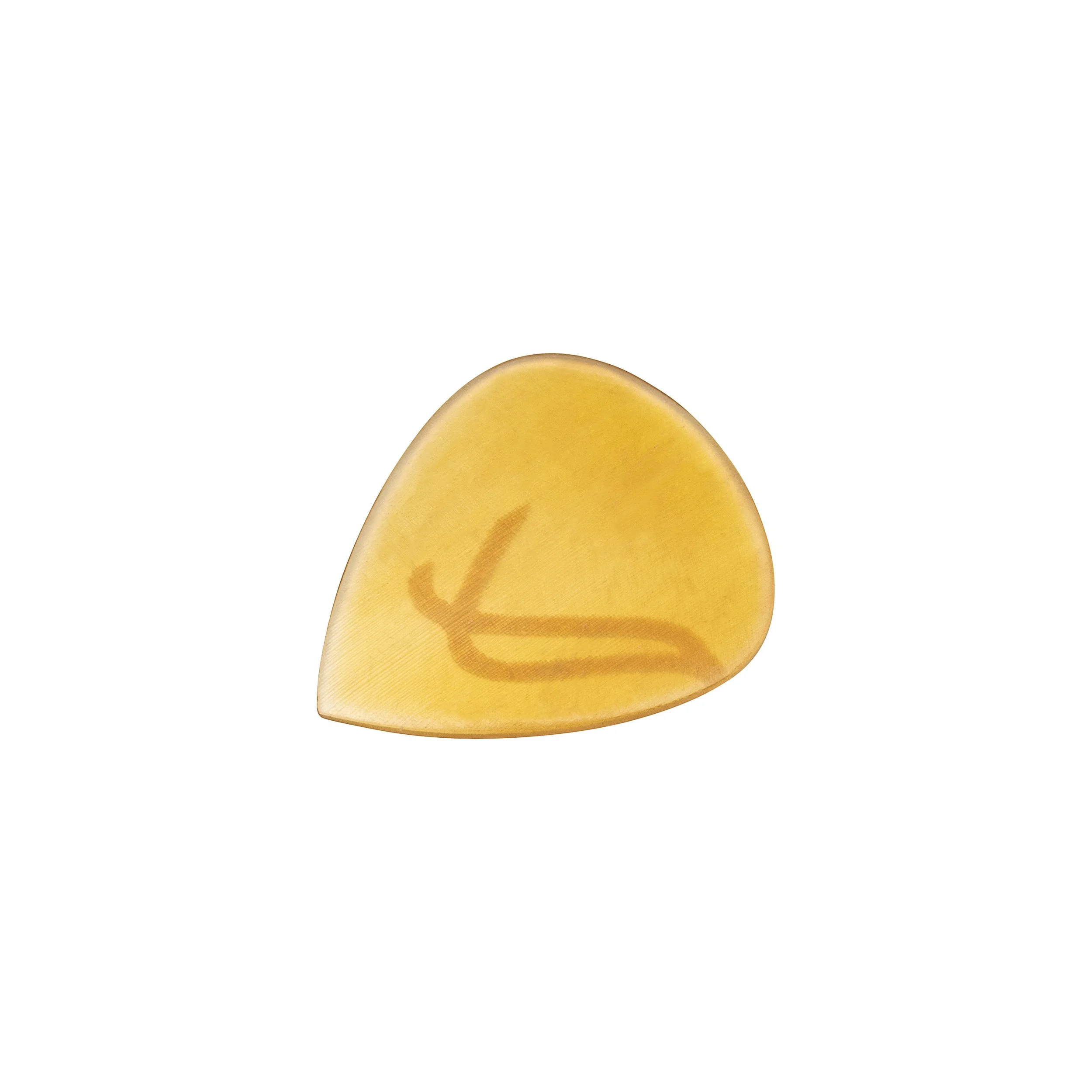
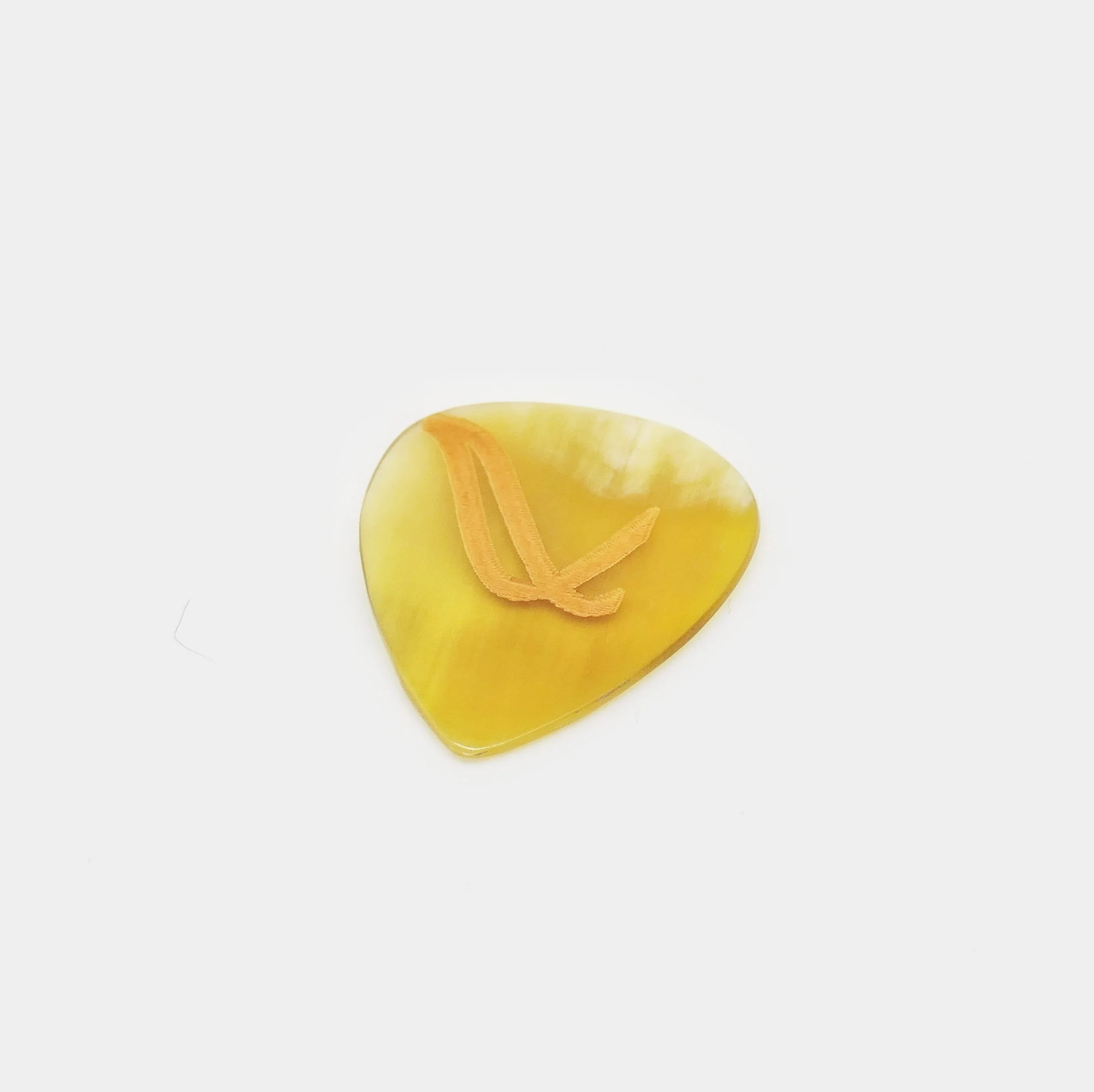
Material: Nato Wood
Tip Shape: Butterfly Cross Blade
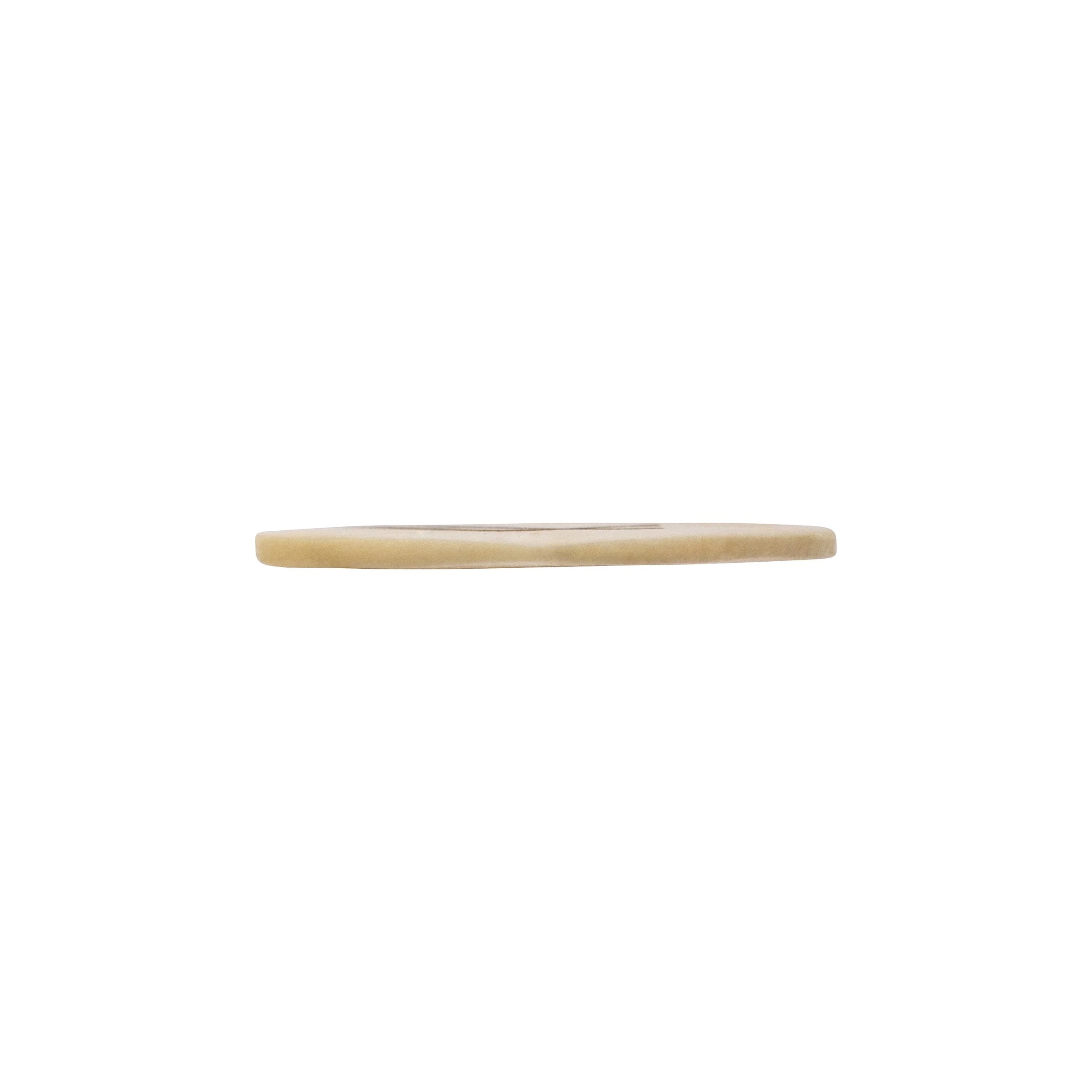
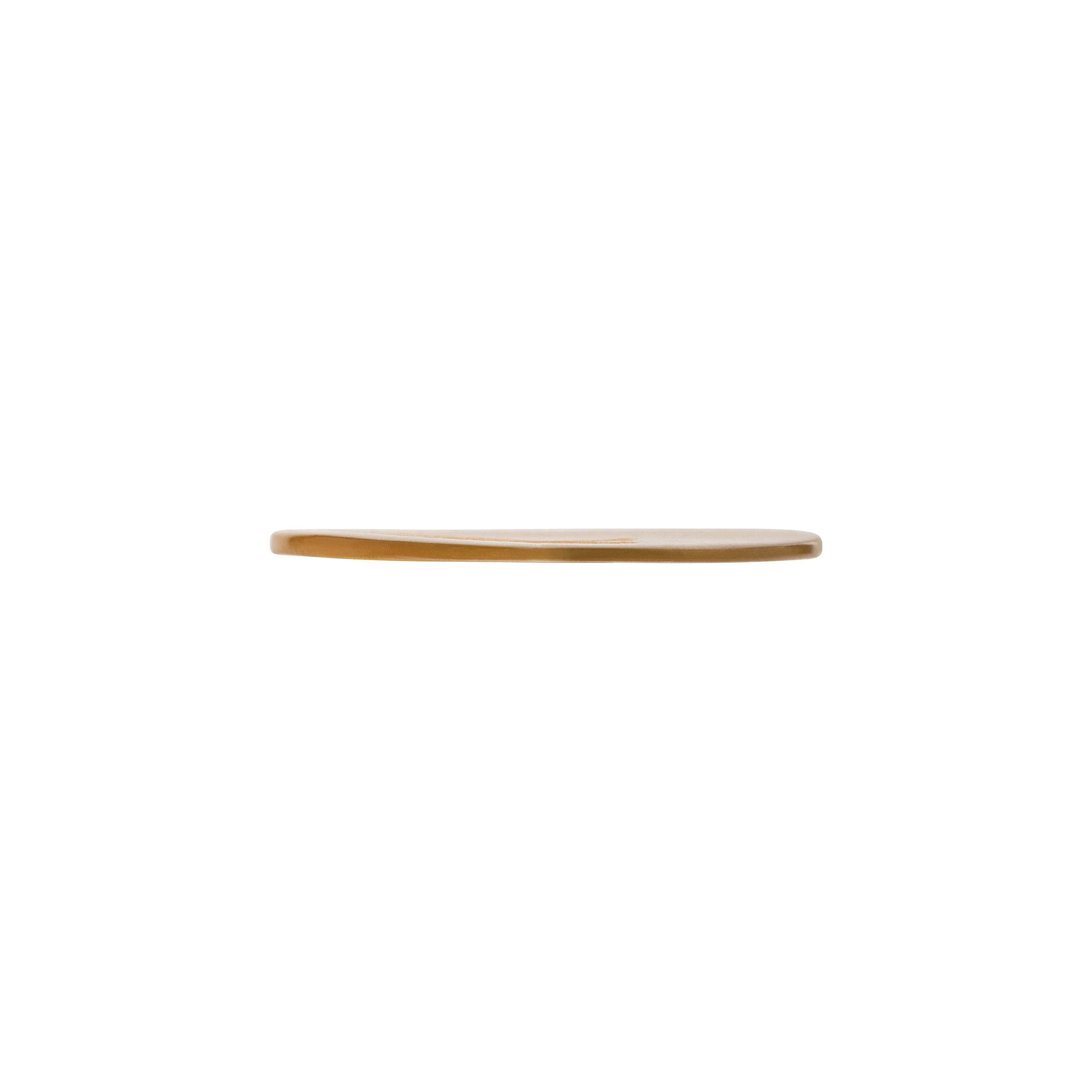
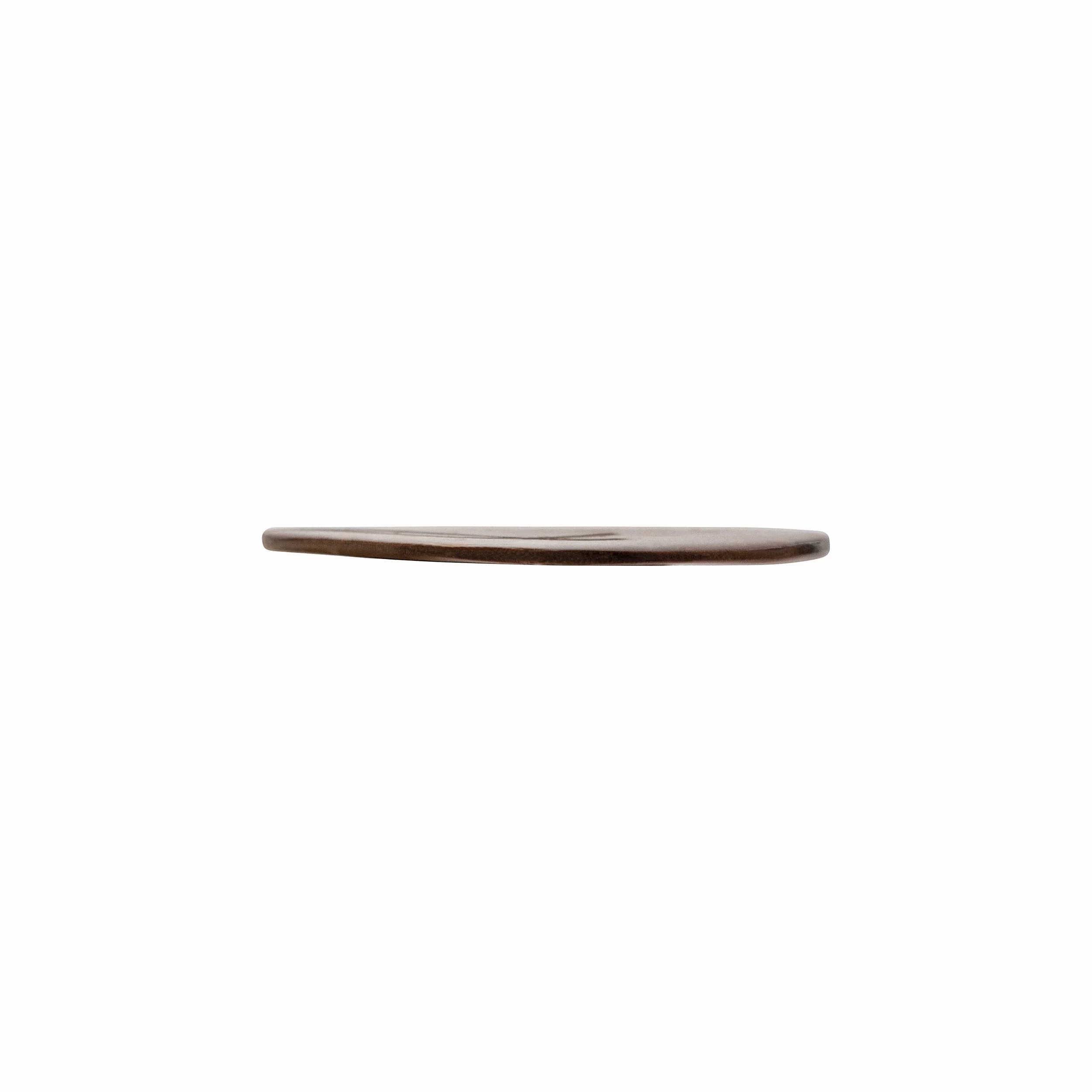
Thickness: 1mm (0.040”)
Popular With: Acoustic Guitar
SPECIAL OFFER: Buy any 3 individual picks (stone, Dual Grip, or Flat) and get 1 FREE!
No code needed, lowest priced item is discounted, does not include multi-pick packs or gift boxes
Dark Nato Wood — The Iron Tree
Dense as the forest it came from. Shaped by hand. Built to last.
Deep in the forests of Madagascar grows a tree so hard the ancient Greeks would have named it after iron — and eventually, they did. Sideroxylon, the genus from which Nato wood comes, takes its name from the Greek sideros (iron) and xulon (wood). It is not a poetic exaggeration. It is a description.
This is wood that luthiers trust. Wood that guitar makers reach for when they need something that performs like mahogany but answers to no one. Wood that has been worked by craftspeople for centuries precisely because it does not give easily — and that resistance, that density, is exactly what you want between your fingers and your strings.
What You Hold
Nato wood sits at the upper end of hardwood density — close-grained, smooth, and remarkably stable under the demands of regular play. Against strings it delivers a warm, full attack with the kind of organic resonance that only real wood produces. It is firm without being harsh, present without being aggressive. Players who have spent years with plastic picks describe the switch to wood as the difference between hearing their instrument and feeling it.
The grain is tight and fine, finishing to a surface that is smooth under the fingertip and warm in the palm. Reddish-brown in tone, with subtle variation from piece to piece — no two picks carry exactly the same pattern of grain.
What Makes It
Sideroxylon is a genus found across Madagascar, Africa, and the Caribbean, always in the company of other dense, prized tropical hardwoods. The Malagasy species grow slowly in island forests, building the tight grain structure that gives the wood its density and its tonal character. It belongs to the same family as sapodilla — the Sapotaceae — a lineage of tropical trees known across cultures for producing exceptionally hard, workable timber.
In the guitar world, Nato has long been the choice of builders who want the warmth and resonance of mahogany from a source that is more sustainable and more accessible. It is not an imitation. It is a different wood with its own voice — one that happens to share mahogany's best qualities while standing entirely on its own terms.
What It Means
There is a reason the finest guitar necks, the most responsive nuts and saddles, the most enduring instrument components are made from dense tropical hardwoods. Wood transmits vibration the way no synthetic material can — not just at the surface, but through its entire structure. Every cell in the grain is part of the instrument.
A Nativo Nato Wood pick puts that principle in your hand. Not a simulation of wood. Not a wood-pattern finish on plastic. A piece of Malagasy iron wood, shaped to a precise edge, polished smooth, and ready to do what it has always done — transfer energy from your hand to your strings with nothing lost in between.
Warm. Dense. Honest. From one of the oldest forests on Earth.
Material: Nato Wood
Tip Shape: Butterfly Cross Blade
Thickness: 1mm (0.040”)
Popular With: Acoustic Guitar
SPECIAL OFFER: Buy any 3 individual picks (stone, Dual Grip, or Flat) and get 1 FREE!
No code needed, lowest priced item is discounted, does not include multi-pick packs or gift boxes

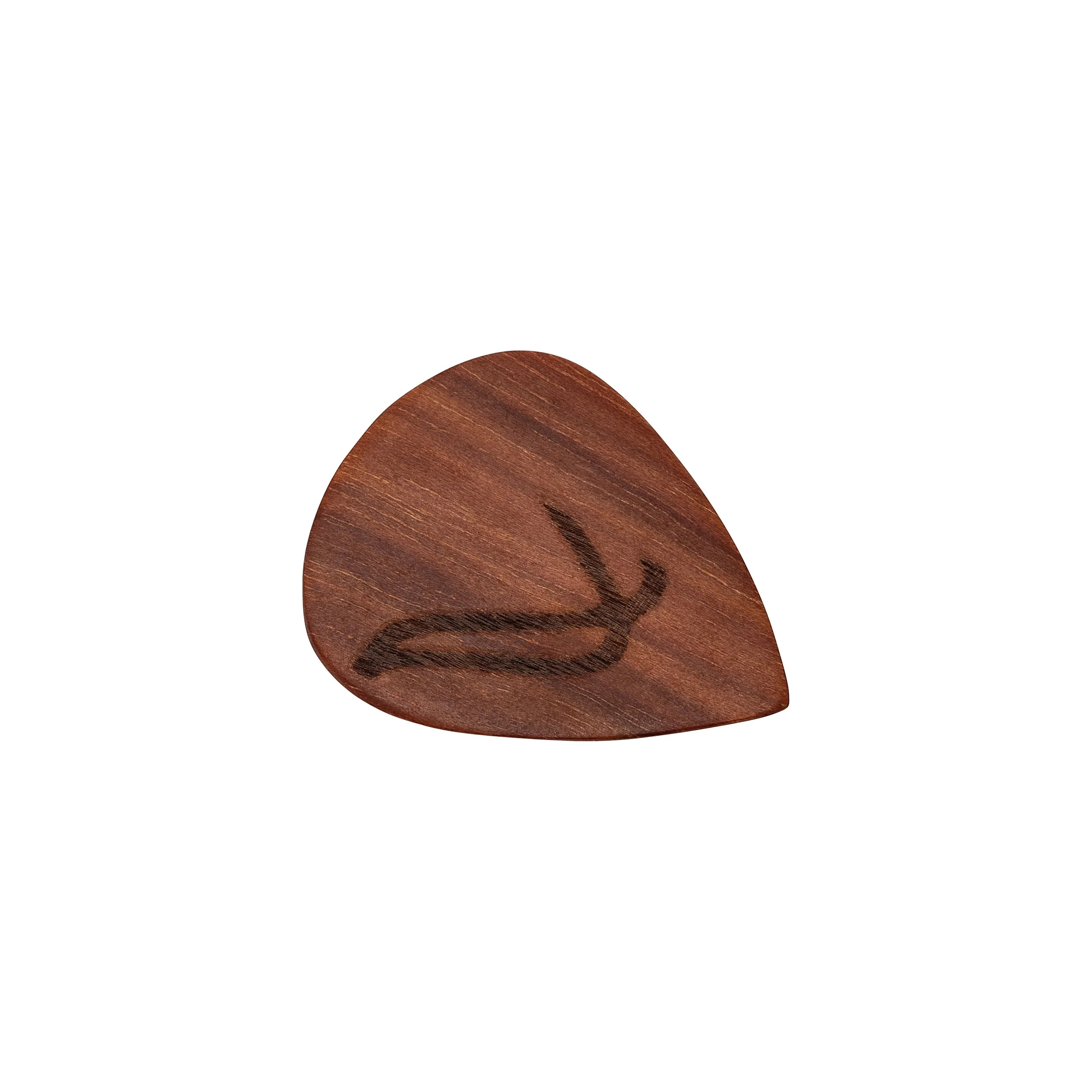 Image 1 of 5
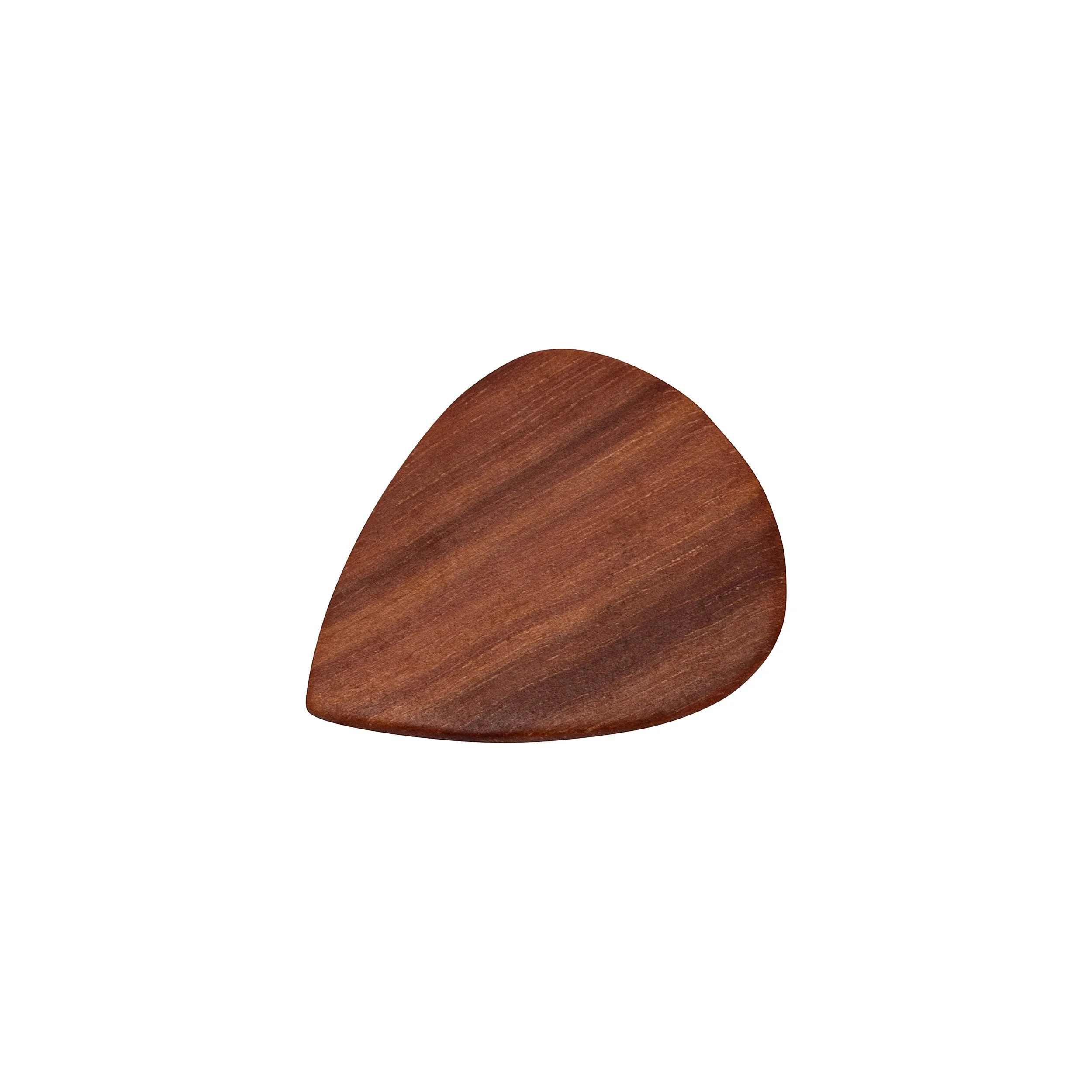 Image 2 of 5
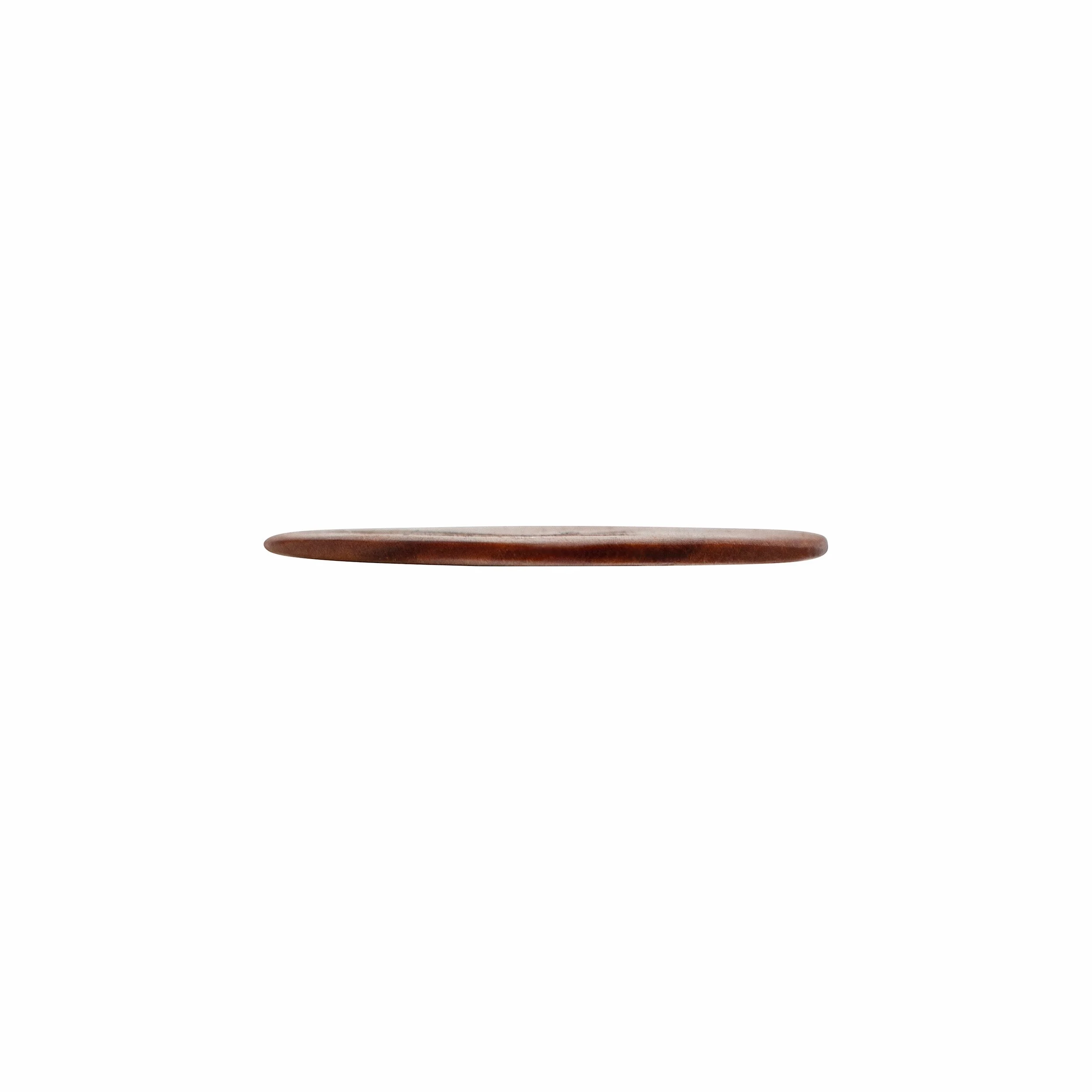 Image 3 of 5
 Image 4 of 5
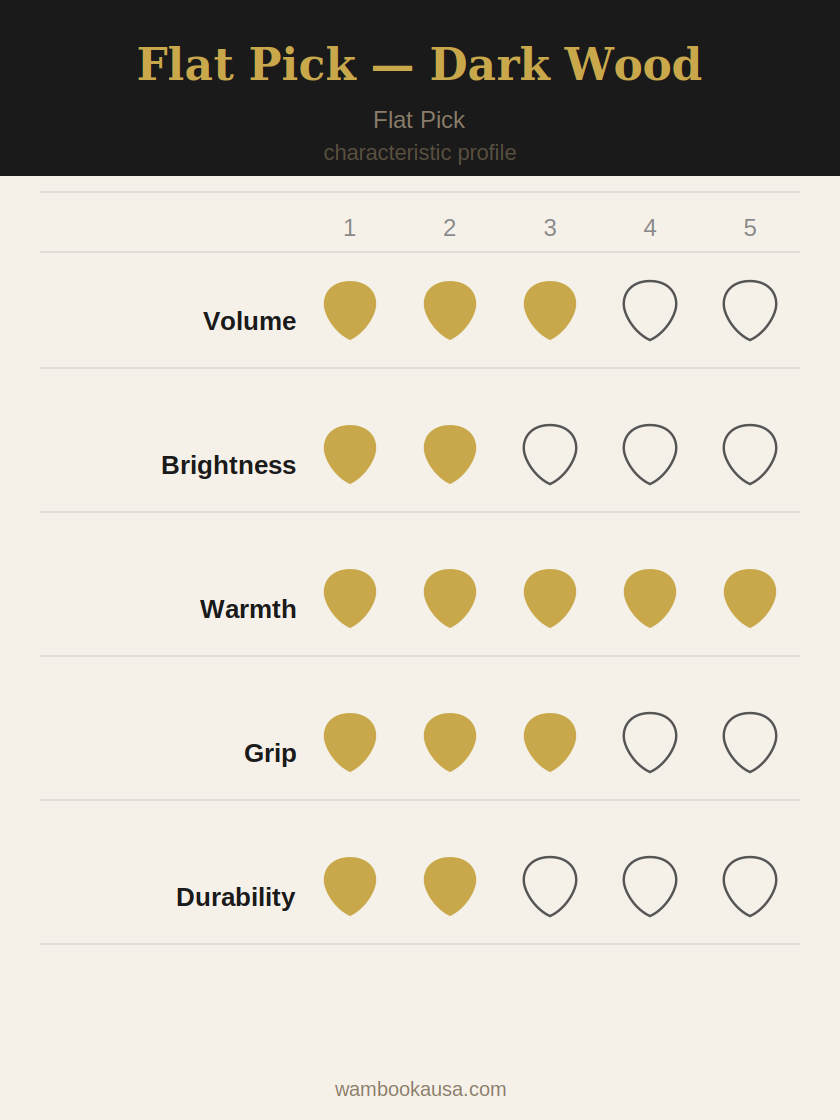 Image 5 of 5