Extraordinary Materials.
Extraordinary Sound.
We make guitar picks for discerning players who can feel and hear the difference because you deserve the best!
Try our Pick Selector to find the right pick for you
Learn what makes our Dual Grip pick unique
Compare our picks to a typical plastic pick
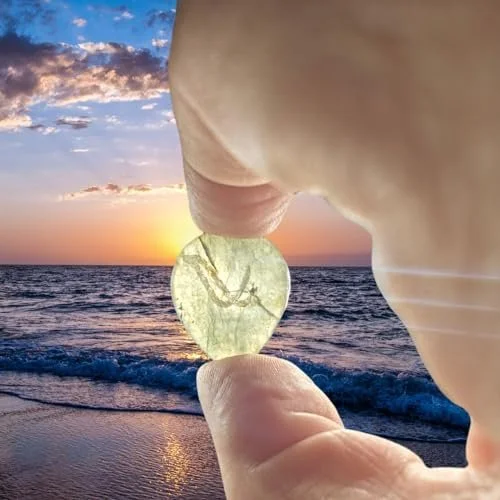
Shop Our Top Sellers Now!
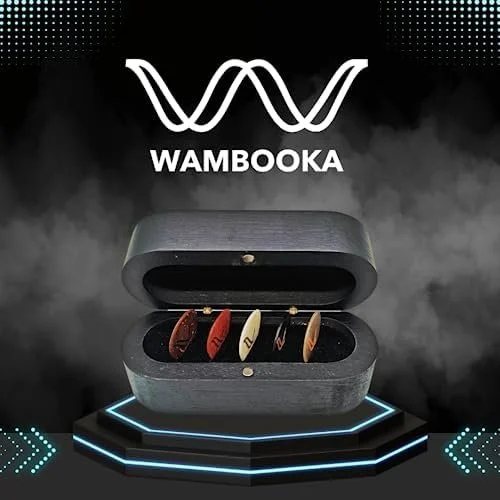
The Nativo™ 5 Senses — Flat Pick Collection
Five materials. Five stories. One island. One box.
There are guitar players who reach into a drawer and grab whatever pick is closest. And there are players who understand that the object between their fingers and their strings is not an afterthought — it is the first point of contact with everything they are trying to say musically.
This box is for the second kind of player.
The Nativo 5 Senses Classic collection was built on a simple idea: that the best way to find your pick is to feel all of them. Not read about them. Not watch a review. Hold them. Play them. Let your hands decide.
What's Inside
Five picks. Five materials. Each one sourced from Madagascar — the most extraordinary island on Earth — and each one finished to lapidary precision in the pure, uninterrupted flat profile that players have trusted for generations.
No two feel the same. No two sound the same. And once you have played all five, you will know exactly which one is yours.
Black Zebu Horn — Naturally jet black, warm to the touch, fluid against the string. From the most sacred animal in Malagasy culture, used in its entirety out of reverence rather than waste. Smooth, organic, and unlike anything plastic has ever tried to be.
Clear Zebu Horn — The same sacred animal, a different face. Translucent amber and honey, glowing when held to the light. The material that plastic spent a century trying to imitate, before giving up and calling the imitation vintage. This is the original.
White Zebu Bone — Creamy ivory, bright and articulate, with the mineral clarity that has made bone the choice of master luthiers for centuries. The same material in your finest guitar nut, now in your picking hand.
Nato Wood — Ancient Malagasy iron wood, dense and warm, with the tonal character that makes builders reach for it when mahogany isn't an option and anything lesser isn't either. The forest in your fingers.
Coconut Shell — The part of the tree everyone discards, transformed into something remarkable. Bright, snappy, sustainable, and sourced from the same island communities that have honored every part of this palm for thousands of years.
The Box
Five picks deserve a home worthy of them. The Nativo 5 Senses Classic arrives in a solid black wooden box — understated, elegant, and built to sit on a desk, a shelf, or a studio console without apology. It is not packaging. It is a statement. Black outside, five extraordinary materials inside — the contrast is entirely deliberate.
Each pick arrives nestled individually, ready to play or ready to give.
For Yourself
You already know that different picks change the way you play. Different materials change the way you hear yourself. The 5 Senses Classic gives you five completely distinct playing experiences — five different attacks, five different tonal characters, five different feelings in the hand — so you can find the one that fits the music you are making right now. Or keep all five and choose deliberately, the way the moment deserves.
Some players rotate through the collection by mood. Some by genre. Some by guitar. All of them stop reaching blindly into a drawer.
For Someone Else
There is no generic gift for a serious guitar player. Strings get bought. Cables are already owned. Another pedal is never quite the right one.
The Nativo 5 Senses Classic is different.
It is five objects with five extraordinary stories, presented in a black wooden box, from an island most people will never visit. It tells the person receiving it that you understand what they do, you respect the craft, and you thought carefully about what to put in their hands.
It is the gift that will be on their desk for years. Not in a drawer. Not forgotten. On the desk, where they can see it, reach for it, and think of you every time they play.
Five senses. One box. One decision you will not regret.
Our Flat picks are ideal for both right-handed and left-handed players!
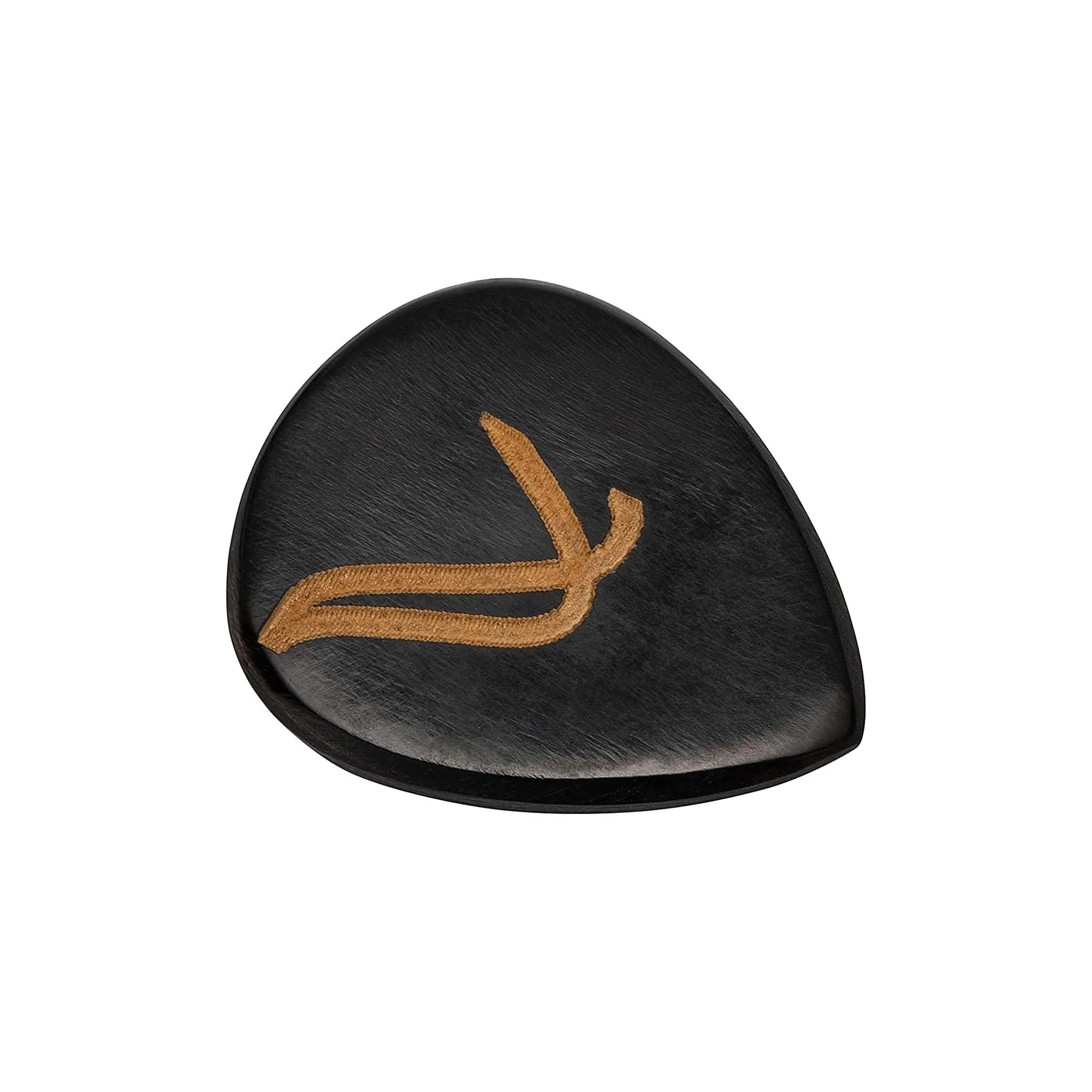
Black Zebu Horn — The Sacred Animal
Revered for centuries. Every part honored. Nothing wasted.
In Madagascar, the Zebu is not simply cattle. It is the center of spiritual life, a symbol of wealth, ancestry, and respect that runs deeper than any Western understanding of livestock can reach. Zebu are present at every significant moment in Malagasy culture — births, marriages, funerals, and festivals. They are sacrificed in sacred ceremonies called Joro to honor ancestors and communicate with the spirit world. To own many Zebu is to hold status. To give one is the highest gesture of respect a person can make.
This is the animal your pick comes from.
What You Hold
Horn sits at 2.5 to 3 on the Mohs scale — softer than stone, which gives it a playing feel unlike anything else in this collection. Where stone is firm and immediate, horn is subtly alive — slightly warm to the touch, with a natural grip that requires no texture or treatment. It flexes imperceptibly under pressure, producing a tone that is smooth, fluid, and organic. Players who make the switch rarely go back.
The black coloring is entirely natural — no dye, no treatment, no finish. This is how it comes from the animal. Each pick is hand-cut and polished to a deep, lustrous black that feels more like obsidian than anything biological. Until you hold it, and realize it is warm in a way stone never is.
What Makes It
Zebu horn is composed of keratin — the same protein that forms human fingernails, rhinoceros horn, and bird beaks. It is one of nature's most elegant structural materials: lightweight, self-lubricating, and remarkably durable for its weight. Horn has been used by craftspeople for thousands of years precisely because it machines beautifully, polishes to a high gloss, and develops a subtle patina with use that makes each piece more individual over time.
Ours is sourced exclusively as a byproduct of Madagascar's food industry — material that would otherwise go to waste. No animal is harmed in its procurement beyond what the local food supply already requires. In a culture where the Zebu is considered sacred, using every part of the animal is not a marketing position. It is a sign of respect.
What It Means
There is a long tradition — across dozens of cultures and centuries — of making musical instruments and tools from horn. It is one of humanity's oldest working materials, predating metal, predating ceramic, predating almost everything we now reach for instead.
A Nativo Black Zebu Horn pick connects you to that tradition. It connects you to an island culture where this animal is genuinely revered. And it does so without waste, without harm, and without pretense.
Warm in the hand. Fluid against the string. Sacred in its origins.
Material: Black Zebu Horn
Tip Shape: Butterfly Cross Blade
Thickness: 1mm (0.040”)
Popular With: Acoustic Guitar
SPECIAL OFFER: Buy any 3 individual picks (stone, Dual Grip, or Flat) and get 1 FREE!
No code needed, lowest priced item is discounted, does not include multi-pick packs or gift boxes
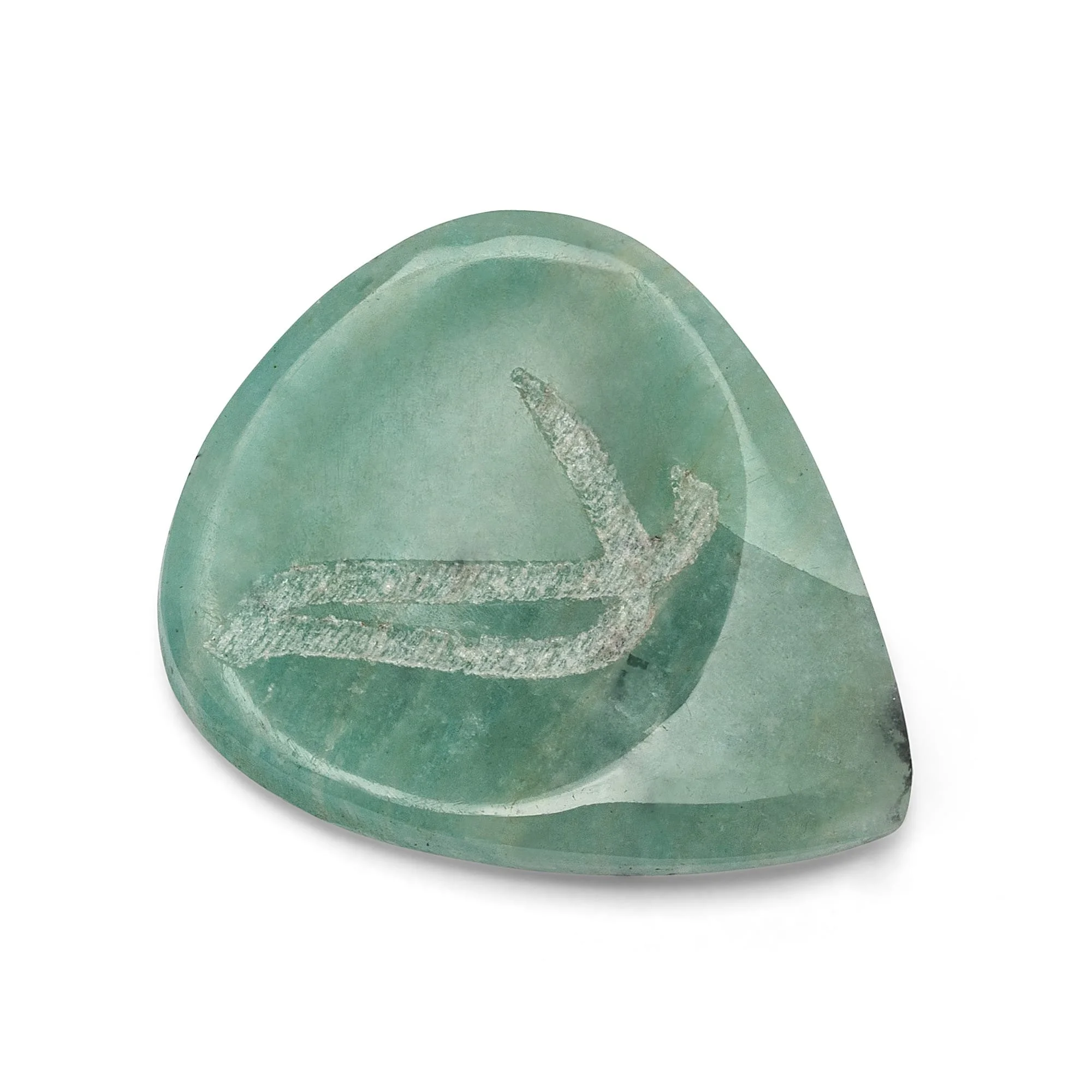
Amazonite — The Stone of Pharaohs
Worn by kings. Carried into the afterlife. Played in your hands.
In 1922, when Howard Carter cracked open the tomb of Tutankhamun and light touched those chambers for the first time in three thousand years, among the gold and linen and legend they found Amazonite. Carved into jewelry, set into the famous burial mask, placed deliberately among the most sacred objects a civilization could imagine accompanying their king into eternity.
They chose it on purpose. So did we.
What You Hold
At 6 to 6.5 on the Mohs hardness scale, Amazonite is hard enough to handle thousands of string strikes while holding a clean, precise edge. Cool to the touch and smooth under the fingers, it delivers a tone that is warm and articulate in a way plastic simply cannot match — immediate contact, real material, no dead layer between you and the string. Each pick is hand-cut and polished to lapidary precision. The surface disappears in your grip. The sound does not.
What Makes It
Amazonite is a variety of microcline feldspar, and its color — that unmistakable blue-green, somewhere between glacier and jungle — is the result of trace amounts of lead and water locked inside the crystal structure during formation. A precise geological accident, millions of years in the making, that cannot be engineered or replicated. It is found today in Madagascar, Brazil, Colorado, and Russia. No two stones are the same shade. No two picks ever look alike.
Despite being named for the Amazon River, no deposits have ever been found there. The name itself is a mystery — which feels entirely appropriate for a stone that has kept people guessing for three thousand years.
What It Means
The ancients believed Amazonite carried courage. They buried it with their greatest king. We shaped it into the object a musician reaches for more than any other.
A Nativo Amazonite pick is not an accessory. It is a direct line — from your fingers, through a stone that outlasted empires, to the strings of your instrument.
Three thousand years of history. One perfect point of contact.
SPECIAL OFFER: Buy any 3 individual picks (stone, Dual Grip, or Flat) and get 1 FREE!
No code needed, lowest priced item is discounted, does not include multi-pick packs or gift boxes
7 Day Risk-Free Guarantee!
We even pay return shipping if you don’t love it